
A chemical peel applies a carefully chosen acid to the skin and deliberately irritates the top layers, in a controlled way, just enough to set off the body’s natural shedding and repair. The worn-out layer comes off and fresher skin takes its place. That’s the idea behind chemical peel treatment, and how deep the peel goes decides how much actually changes.
According to Dr. Jagatjit Singh Kohli of Agelock Skin & Hair Clinic in Chandigarh, “A peel doesn’t add anything to the skin. It removes the dull outer layer and the skin does the rest. That’s why results depend so much on how well the skin heals, and why sunscreen afterwards matters.”
Curious which peel suits your skin type? Enquire Now
How Does a Chemical Peel Work?
The science is more involved than the procedure, which is fairly simple. The acid loosens the bonds holding dead skin cells together, and your body takes care of the replacing.
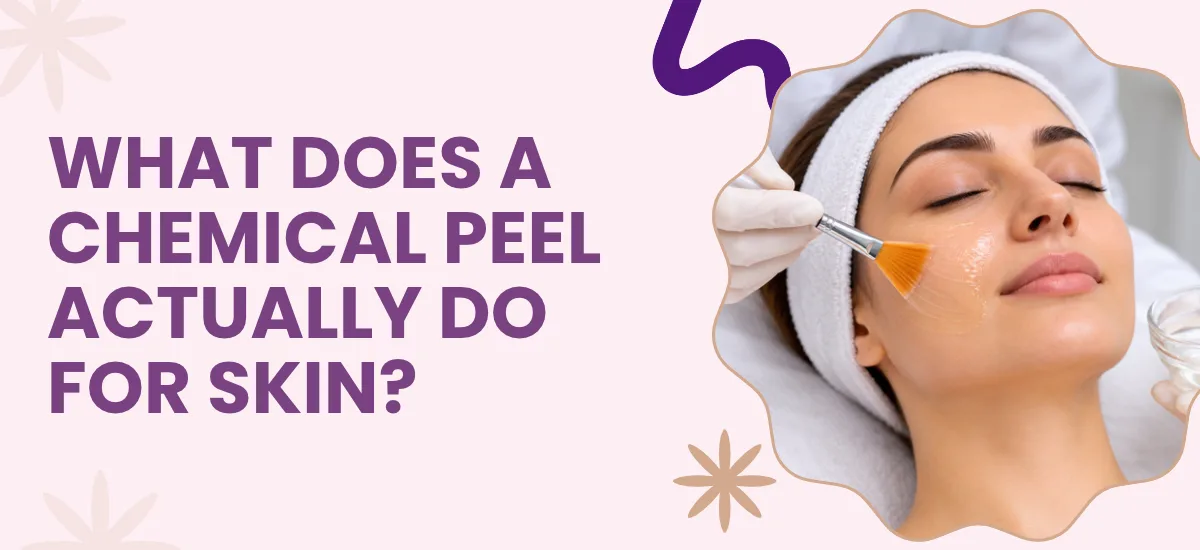
The acid goes on. After cleansing, the dermatologist brushes a measured amount of solution over the skin and leaves it for a few minutes. You’ll probably feel some warmth or a light prickle. The acid is then neutralised or washed off.
The outer layer lets go. The acid dissolves the glue between surface cells. Over the next few days that layer may flake or peel away, which is where the treatment gets its name.
Renewal speeds up. Skin usually turns over about once a month. Removing the old layer prompts it to make new cells sooner than it would on its own, and the fresh surface tends to look smoother and more even.
Collagen gets a push. Medium and deeper peels reach the dermis, where they trigger repair and new collagen. Light peels mostly stay at the surface, so their effect there is smaller.
Because a peel is a supervised procedure, a proper chemical peel treatment in Chandigarh plan matches the acid and its strength to your skin instead of using one formula for everyone.
What Can a Chemical Peel Do for Skin?
Peels can improve several things at once, though they do best with surface-level concerns. Here’s what you can realistically expect.
Smoother texture. Rough patches, clogged pores and flaky areas improve once the dull outer layer is gone. Skin often feels softer within a week, and many people notice the glow before anything else.
Brighter, more even tone. Sun spots, patchy colour and post-acne marks fade as pigmented cells shed. It usually takes a few peels, and daily sunscreen is what keeps the result.
Softer fine lines. Light wrinkles look shallower once new collagen builds up. Deep folds don’t respond much to peels and need a different treatment.
Fewer breakouts. Peels clear clogged pores and calm oiliness, so acne often settles. They can help with mild scarring too, but deeper scars need other methods.
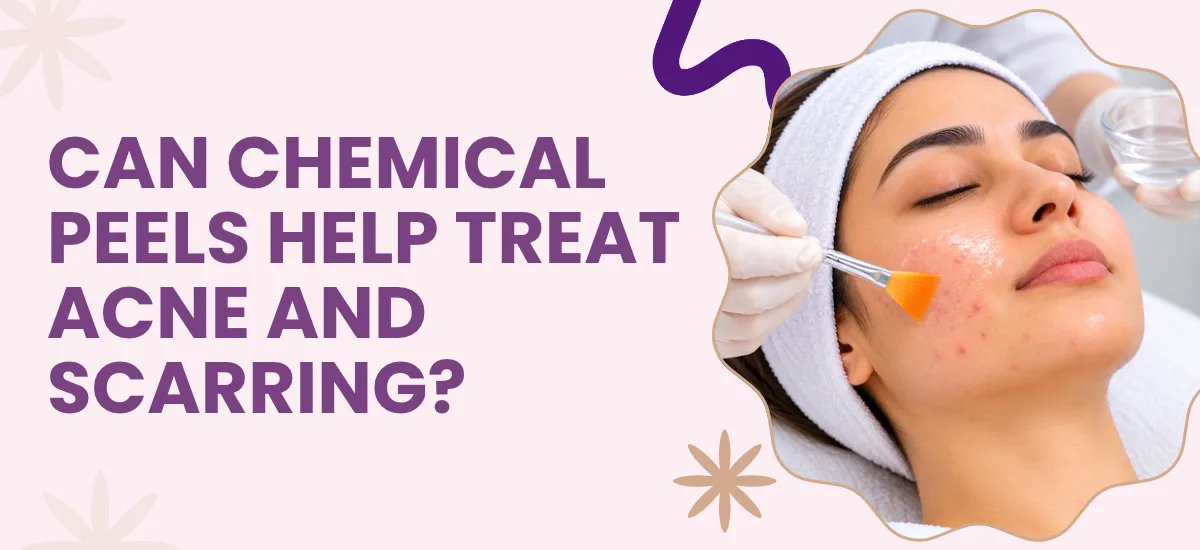
Acne and scarring come with their own rules, and the guide on Can Chemical Peels Help Treat Acne and Scarring goes through them in detail. In short, a peel changes how skin looks and feels, not its deeper structure.
What Are the Different Types of Chemical Peels?
Peels are grouped by how deep they go, and depth drives the results, the recovery time and the risks.
Superficial peels. Glycolic, salicylic, lactic and mandelic acids stay in the outer layer. Recovery is quick, with mild flaking for a day or three, and this is the most common starting point.
Medium-depth peels. Trichloroacetic acid (TCA) reaches the upper dermis. It can treat deeper pigment, fine lines and some scars, but expect the skin to stay red and peel for a week or two.
Deep peels. Phenol-based peels go the furthest and change the skin the most. They often involve sedation, a long recovery and close monitoring, so they’re rare and kept for specific cases.
Retinol and specialty peels. Retinol peels and blends such as Jessner’s sit mostly in the light-to-medium range. They’re chosen for particular concerns like dullness or stubborn acne, and your dermatologist picks the formula after examining your skin.
A retinol peel behaves differently from an acid peel, and this comparison of chemical peel vs retinol peel lays the two out side by side. Most people begin with a superficial peel and only go deeper if they need to.
Key Takeaways: A chemical peel uses acid to remove the damaged outer layer so fresh skin can form. Superficial peels suit texture, tone and mild acne, while medium and deep peels reach further for lines and scars. A peel improves how skin looks and feels, but it can’t change deeper structure. Healing goes best with gentle care, no picking and daily sunscreen.
Frequently Asked Questions
Does a chemical peel hurt?
Most people feel warmth or a mild sting for a minute or two. Deeper peels need numbing or sedation.
How long does it take for skin to heal after a chemical peel?
Light peels settle in a few days. Medium peels take one to two weeks, and deep peels take longer still.
Is a chemical peel safe?
When a trained dermatologist chooses the right peel, it’s generally safe. Infection, scarring or dark patches are uncommon, but they can happen.
How often can you have a chemical peel?
Light peels are usually repeated every two to four weeks as a series. Deeper peels are spaced months apart.
References:
Disclaimer: This blog is for educational purposes only and isn’t a substitute for a dermatologist’s evaluation. Anyone with sensitive or darker skin should be examined by a doctor before a chemical peel.