Is pigmentation the same as dark spots?
Is pigmentation the same as dark spots?
Dark spots are a visible form of pigmentation, not a separate condition.

Pigmentation shows up when skin cells start overproducing melanin, the pigment that gives skin its natural color. What sets that off differs person to person. Sometimes it’s genetics. Sometimes sun exposure, a hormonal shift, or a breakout that left something behind long after it healed. Pigmentation treatment works a lot better once you actually know which one applies to you, instead of throwing creams at it and hoping.
According to Dr. Jagatjit Singh Kohli of Agelock Skin & Hair Clinic in Chandigarh, “Most patients walk in assuming sun exposure explains everything. It matters, don’t get me wrong. But it’s rarely the whole story. Hormones, inflammation, genetics, even a product sitting in someone’s routine, all of it can play a part. Find the actual cause first. Treating the spot without knowing why it’s there doesn’t hold up long term.”
Not sure what’s triggering your pigmentation? Book an appointment.
Melanin exists to shield skin from UV damage. The trouble starts when melanocytes overreact to things most people don’t even register as triggers.
Sun Exposure: Easily the biggest one. UV rays hit melanocytes directly, and here’s the part people miss: the damage doesn’t show up right away. It piles up quietly, over years of ordinary days, not from that one sunburn everyone loves to point to.
Hormonal Shifts: Pregnancy does it. So does birth control. Thyroid imbalance too. Any of these can throw melanin-stimulating hormones off enough to set melasma in motion or make an existing patch worse.
Post-Inflammatory Marks: A pimple clears up and leaves a mark. A cut does the same. So does scrubbing too hard in the name of ‘exfoliating.’ People assume it’s a scar. Usually, it’s just extra pigment that stuck around.
Genetics and Skin Type: Darker skin carries more reactive melanocytes. That’s why the exact same nick barely registers on one person and turns into a stubborn patch on the next.
Guessing doesn’t get anyone very far here. That’s the whole reason dermatologist-led pigmentation treatment in Chandigarh starts with figuring out the cause before deciding on the treatment plan.
Prevention helps hold off new pigmentation. It won’t do much for what’s already sitting there, though.
Daily Sun Protection: Sunscreen, every day, indoors included. Not exciting. Still the single habit that beats everything else on this list combined.
Consistent Skincare: Vitamin C, niacinamide, mild exfoliants, these help, but only with regular use. One good week followed by three lazy ones won’t move the needle much.
Avoiding Trigger Habits: Picking at acne, scrubbing too hard, both just restart the inflammation you were trying to settle down in the first place. And that usually means another mark to deal with down the road.
Professional Timing: Once pigmentation’s deep or been around a while, clinical treatment can often help it improve faster than waiting it out. Creams plateau. It happens to almost everyone eventually.
Tried the basics already and stalled? Worth a look through these home remedies for pigmentation before booking a clinical session, just to see what’s realistic without stepping into a clinic.
Dr. Jagatjit Singh Kohli has been treating pigmentation across all skin types at Agelock Skin & Hair Clinic in Chandigarh for years now. His training in dermatology and cosmetic medicine leans specifically into Indian skin, which honestly behaves quite differently from Western skin in a clinical setting. He doesn’t start with a generic peel. He starts by figuring out what’s actually driving the pigmentation, and a team follows up at every visit to adjust things as the skin responds.
There’s rarely one single cause behind pigmentation. So it makes sense that one single fix rarely works either. Patients looking up a pigmentation doctor near me tend to notice results that actually stick, mostly because the root cause gets addressed alongside the visible spots instead of just papering over them for a few weeks. Call +91 98787 62626 to book your consultation.
Disclaimer: This blog is for educational purposes only and isn’t a substitute for a dermatologist’s evaluation. If your pigmentation spreads, changes shape or doesn’t respond to sun protection, get it checked.

Dark spots are a visible form of pigmentation, not a separate condition.
Mild cases may fade slowly; deeper pigmentation usually needs active treatment.
Indirectly, through inflammation and hormones. It's not the main driver.
Most patients notice visible improvement within four to eight weeks.


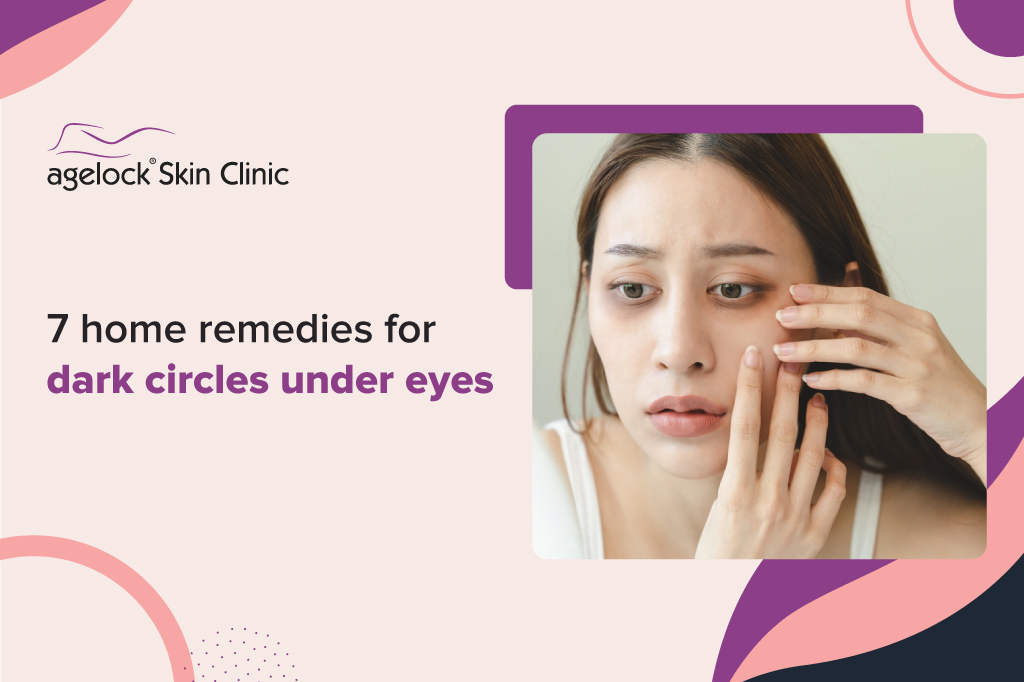
Dark circles under eyes look like dark, discolored patches beneath the lower eyelids. These shadows can give the appearance of tiredness, stress, or even age beyond one’s years. According to a study by the American Academy of Dermatology, it is estimated that up to 50% of adults experience dark circles under their eyes at some … Continue reading "7 home remedies for dark circles under eyes"
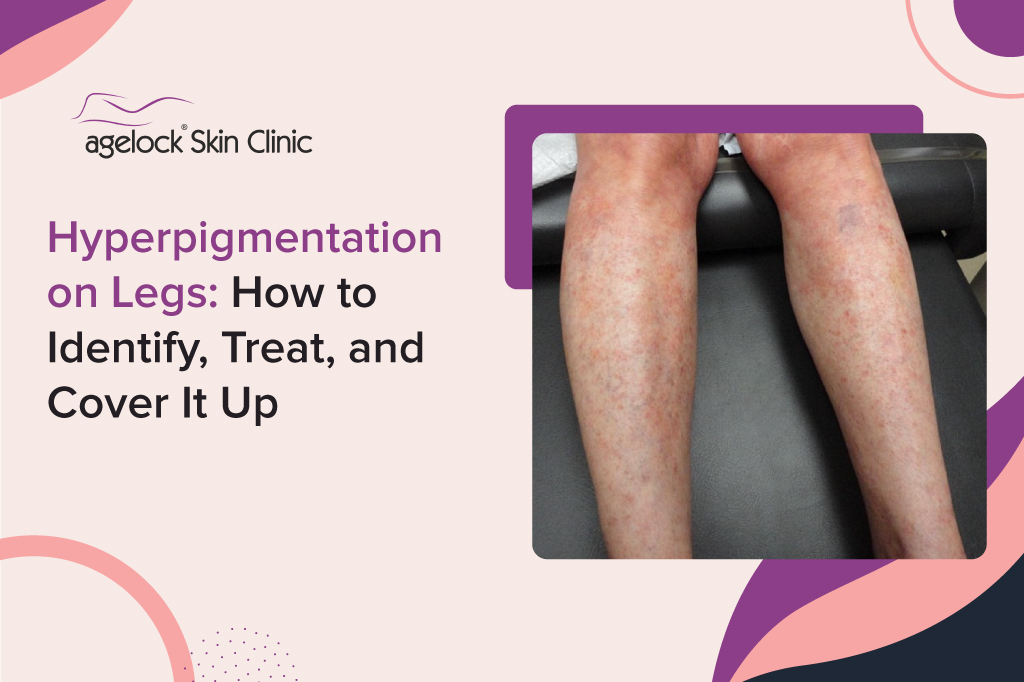
Hyperpigmentation on the legs, such as dark spots or brown spots, can be distressing for many individuals, which also affects one’s self-confidence and makes them feel self-conscious. However, there are various treatments and solutions available to help combat hyperpigmentation and fade these dark spots. In this blog post, we will explore how to identify hyperpigmentation … Continue reading "Hyperpigmentation on Legs: How to Identify, Treat, and Cover It Up"