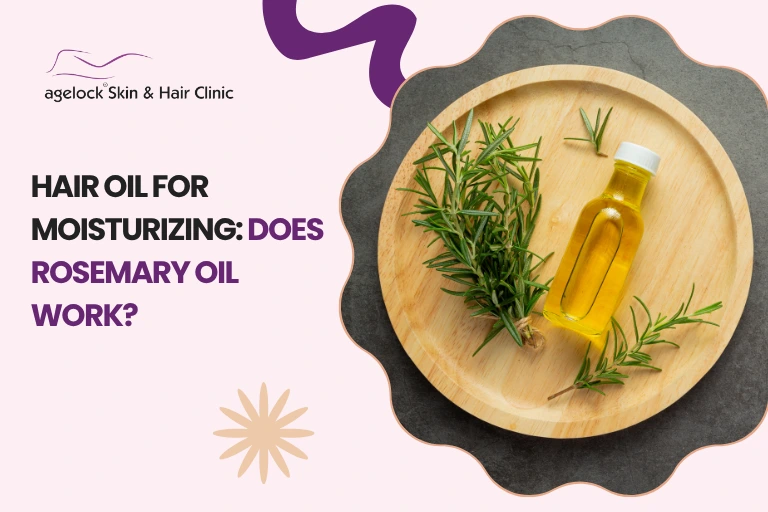

Dry, rough, frizzy hair is usually a moisture problem first, and a hair-loss problem second. Rosemary oil has become popular because it may support scalp health and hair growth, but it is not a deep moisturizer on its own.
For dry hair, rosemary works best when it is diluted with a carrier oil and used as part of a simple routine that includes gentle washing, conditioning, and limited heat styling. If hair shedding is heavy, sudden, or patchy, the real fix may be medical treatment rather than oil alone.
What Causes Dry Hair and Hair Damage?
Hair becomes dry when it loses natural moisture and protective oils. This can happen slowly over time due to daily habits and environmental damage.
Common causes of dry hair
- Excessive heat styling
- Hair coloring and chemical treatments
- Hard water exposure
- Frequent shampooing
- Sun and pollution damage
- Nutritional deficiencies
- Scalp conditions like dandruff
When the outer layer of hair becomes weak, moisture escapes easily. This makes hair look rough, frizzy, and lifeless.
Rosemary Oil for Hair: Growth, Uses, and Benefits
Rosemary oil is an herbal essential oil obtained from the rosemary plant. It contains anti-inflammatory and antioxidant compounds that may help improve scalp health.
Benefits of rosemary oil for hair
- Supports scalp circulation
- May reduce hair thinning
- Helps soothe scalp irritation
- Adds shine when mixed with carrier oils
- Supports healthier hair texture
- May reduce breakage caused by dryness
According to dermatology experts, rosemary oil may help improve scalp circulation and support a healthier environment for hair follicles. Its antioxidant and anti-inflammatory properties are some of the main reasons it is widely used in natural hair care products.
Does Rosemary Oil Moisturize Hair?
This is one of the most searched questions online.
The simple answer
Rosemary oil helps support healthy hair, but it is not considered a heavy moisturizing oil on its own.
Essential oils are highly concentrated. They are usually lightweight and must be mixed with carrier oils before use. Carrier oils are the ingredients that mainly provide hydration and softness.
Top carrier oils that work well with rosemary oil
| Carrier Oil | Best For |
| Coconut oil | Deep moisture and damage repair |
| Argan oil | Frizz control and shine |
| Jojoba oil | Lightweight hydration |
| Almond oil | Dry and brittle hair |
| Castor oil | Thickening appearance |
Simple Ways to Apply Rosemary Oil for Hair Growth
Consistency is very important when using rosemary oil. Most people do not see immediate changes because hair growth takes time.
Step-by-step process for using rosemary oil
- Mix 3 to 5 drops of rosemary oil with 1 tablespoon of carrier oil
- Apply gently to the scalp
- Massage for 3 to 5 minutes
- Allow it to stay on the hair for a minimum of 30 minutes
- Wash with a mild shampoo
How often should you use rosemary oil?
- 2 to 3 times per week for dry hair
- Once weekly for oily scalp types
- Avoid overusing essential oils daily
Important safety tip: Always perform a patch test before applying rosemary oil to the scalp. Essential oils may irritate sensitive skin if used directly.
Which Oil for Dry Hair? The Best Oils and Serums
People often search for the best oils for dry hair because different oils solve different problems.
Oils for Dry Hair: Which Ones are Proven to Help?
- Coconut oil: One of the best oils for reducing protein loss and improving softness.
- Argan oil: Popular for frizz control and smooth texture.
- Jojoba oil: Closely resembles natural scalp oil and works well for lightweight hydration.
- Olive oil: Useful for thick and extremely dry hair.
- Rosemary oil: Best used as a supportive oil for scalp care and hair growth rather than as a deep moisturizer alone.
Essential Oils for Your Hair: Are They Really Effective?
Essential oils are widely used in hair care, but scientific evidence is still developing.
A review discussing essential oils for hair health noted that current research is promising but still limited. The review explained that more large-scale clinical studies are needed before essential oils can be considered a primary treatment for hair loss.
This means rosemary oil may help support healthier hair, but severe hair loss still requires medical evaluation.
Rosemary Oil vs Coconut Oil for Dry Hair
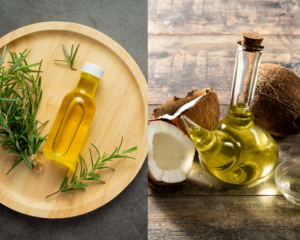
| Feature | Rosemary Oil | Coconut Oil |
| Main benefit | Scalp support and hair growth | Deep moisture |
| Texture | Lightweight | Heavier |
| Hydration level | Moderate | High |
| Application Method | Must be diluted in a carrier oil | Safe for direct application |
| Ideal Target Concern | Thinning hair and scalp health | Brittle, frizzy, or damaged hair |
For people with severe dryness, coconut oil is usually more effective for moisture retention. Rosemary oil works better as a complementary ingredient.
10 Must-Have Hair Care Oils for Your Daily Routine
These oils are often added to hair care routines for healthier, smoother-looking hair:
- Coconut oil
- Rosemary oil
- Argan oil
- Almond oil
- Jojoba oil
- Olive oil
- Castor oil
- Sesame oil
- Avocado oil
- Grapeseed oil
Using the right oil based on your hair type is more important than using many products together.
When Should You See a Hair Specialist?
Sometimes dry hair and hair loss are signs of an underlying medical condition. Consult a specialist if you notice:
- Sudden hair shedding
- Bald patches
- Severe scalp itching
- Scalp redness or pain
- Hair thinning that worsens quickly
Professional treatments may include scalp therapy, nutritional correction, prescription medication, PRP therapy, or dermatologist-guided hair restoration treatments.
Final Thoughts
Rosemary oil can be a helpful addition to your hair care routine, especially for supporting scalp health and improving the appearance of dry, dull hair. However, it works best when combined with moisturizing carrier oils like coconut or argan oil. Consistent care, gentle hair habits, and proper scalp health are the real keys to healthier hair. If dryness or hair loss continues, consulting a hair specialist is the best next step.
Frequently asked question
Can rosemary oil regrow hair?
Research suggests rosemary oil may support hair growth, especially in mild to moderate hair thinning cases.
Can I apply rosemary oil directly to my scalp?
No. Rosemary oil should always be diluted with a carrier oil before use.
How long does rosemary oil take to show results?
Most people may notice changes after consistent use for 3 to 6 months.
Which oil is best for extremely dry hair?
Coconut oil and argan oil are usually better for deep moisture compared to rosemary oil alone.