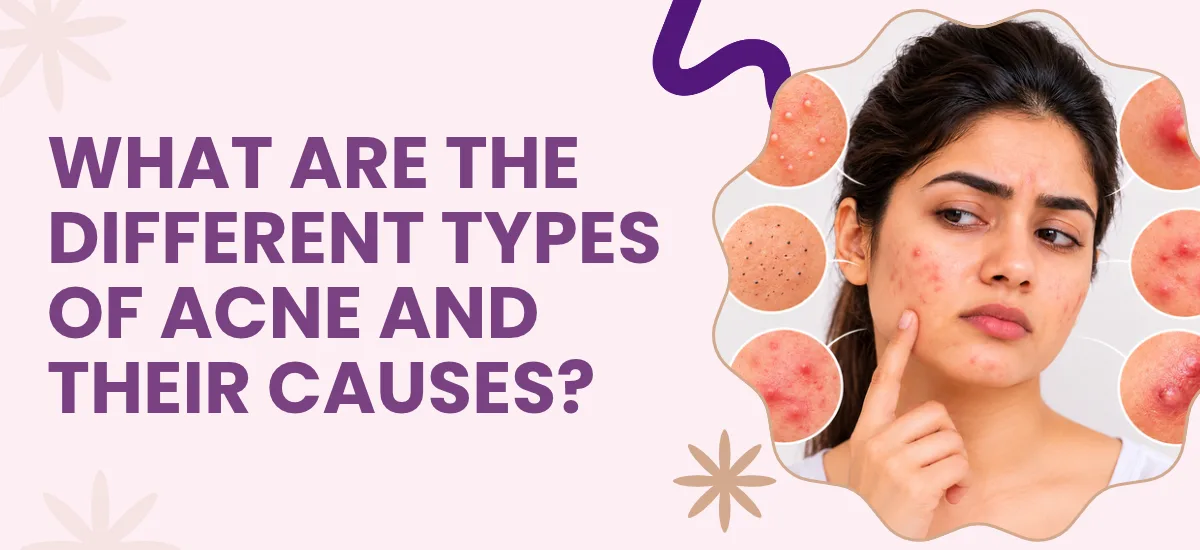
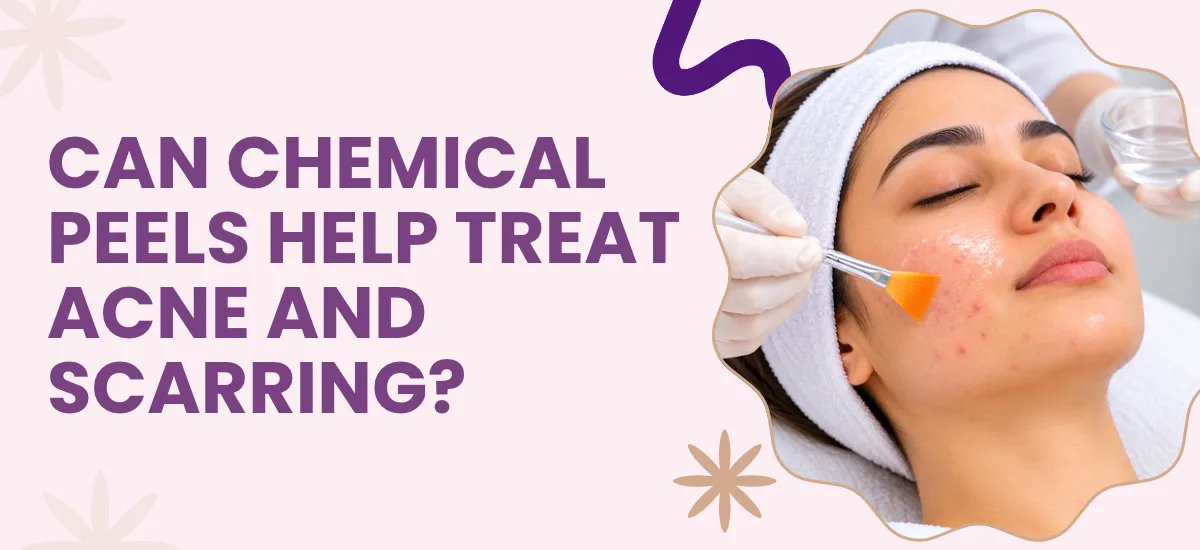

A chemical peel can help with both acne and mild acne scarring. It works by lifting away the skin’s outer layers and nudging the skin to build fresh collagen as it heals. Chemical peel treatment has limits, though, and deeper scars usually need more than a peel. Results build over a series of sessions, not a single visit.
According to Dr. Jagatjit Singh Kohli of Agelock Skin & Hair Clinic in Chandigarh, “A lot of people think a stronger peel means better results. For acne, it usually means more irritation and a longer recovery. A series of mild peels, spaced out, tends to work better than one harsh one.”
Unsure whether a peel suits your skin? Enquire Now
Can Chemical Peels Help Treat Acne?
A pimple begins as a plugged pore and often turns red and sore later. A chemical peel for acne tackles the first stage by lifting out the dead skin, and a few acids also calm the redness.
Salicylic Acid Peels: Oily skin that keeps breaking out usually gets this one first, at 20 to 30 percent strength. It dissolves in oil, so it gets inside the pore and breaks the plug apart. Many see a change by peel two or three.
Glycolic Acid Peels: These work on the surface. Dead cells come off faster, so blackheads, whiteheads and dullness improve. Sensitive skin may sting, so the strength starts low.
Mandelic Acid Peels: If your skin is sensitive or on the darker side, this is the gentler one. It soaks in slowly, so there’s less irritation, and red, inflamed pimples tend to respond well.
Jessner and Combination Peels: These blend salicylic acid, lactic acid and resorcinol, and they’re kept for stubborn or mixed acne. The skin peels openly for three to five days.
Peels work best with other treatment. A cream or tablet usually runs alongside, and acne-specific peels exist too, like the acne check peel in Chandigarh.
Can Chemical Peels Help With Acne Scars?
Partly. Flat marks and shallow scars respond to peels, while deep dents mostly don’t.
Flat Marks: A brown mark that’s level with the skin is the easiest thing a peel can fix. Light peels with salicylic, glycolic or mandelic acid usually fade these over a few months, with sunscreen doing its part.
Shallow Scars: Medium-depth peels, often TCA at a low strength, can soften mild dents that aren’t very deep. Collagen builds slowly, so expect gradual change over several sessions.
Ice Pick Scars: A normal peel can’t reach the bottom of these narrow holes. A dermatologist may use TCA CROSS, which places strong TCA inside each scar with a fine tip.
Deep or Raised Scars: Peels don’t do much here. Depending on the scar, the options are microneedling, laser, subcision or injections.
Deeper scars call for other methods, which acne scars treatment in Chandigarh covers. Expect improvement, not a clean slate.
What Should You Know Before and After a Chemical Peel?
A peel takes about half an hour at most, and the stinging lasts a minute or two. Preparation and aftercare shape the result.
Timing With Active Acne: You can usually have a peel while you’re breaking out. Open or infected spots, and badly inflamed skin, are the exceptions. If the skin looks too inflamed on the day, the peel waits.
Number of Sessions: Four to six peels is the usual course, with two to four weeks between them. A single peel gives a quick glow and not much else. Lasting results need the full set.
Aftercare: The skin feels tight and looks pink for a few days, and then it flakes. Don’t pull at the flakes. Wash gently and moisturise, then put on SPF 30 or higher before you leave the house. Plenty of people only get strict about sunscreen after they’ve seen their skin peel.
Who Should Be Careful: Pregnancy, a recent course of isotretinoin and very sensitive or darker skin all call for extra care. In darker skin a peel that’s too strong can leave dark patches, so the strength is picked carefully.
A standard peel and a retinol peel aren’t the same thing, and this guide on chemical peel vs retinol peel explains the difference. Worth a look before you settle on a chemical peel for acne.
Key Takeaways: Peels can help with acne, flat marks and mild scars. Salicylic, glycolic and mandelic acids are common for acne, but deep scars need other treatment. Most people need a series of four to six peels, plus daily sunscreen. A dermatologist should check the skin first, especially if it’s darker, sensitive or inflamed.
Frequently Asked Questions
Is a chemical peel good for acne?
Often, yes, particularly for oily skin with blackheads and whiteheads. It works best next to creams or tablets and shouldn’t replace them.
Do peels work on acne scars?
Mostly on flat marks, and sometimes on mild dents. Deep or raised scars need other procedures.
When will a peel start to work?
Most people see a glow within days, once the flaking stops. For acne and marks, expect a change after two or three peels.
Is a peel safe on dark skin?
Yes, with a mild peel and a careful start. Gentle options like mandelic acid lower the risk of dark patches.
References:
Disclaimer: This blog is for educational purposes only and isn’t a substitute for a dermatologist’s evaluation. Anyone with sensitive or darker skin, or with an active skin infection, should be examined by a doctor before a chemical peel.