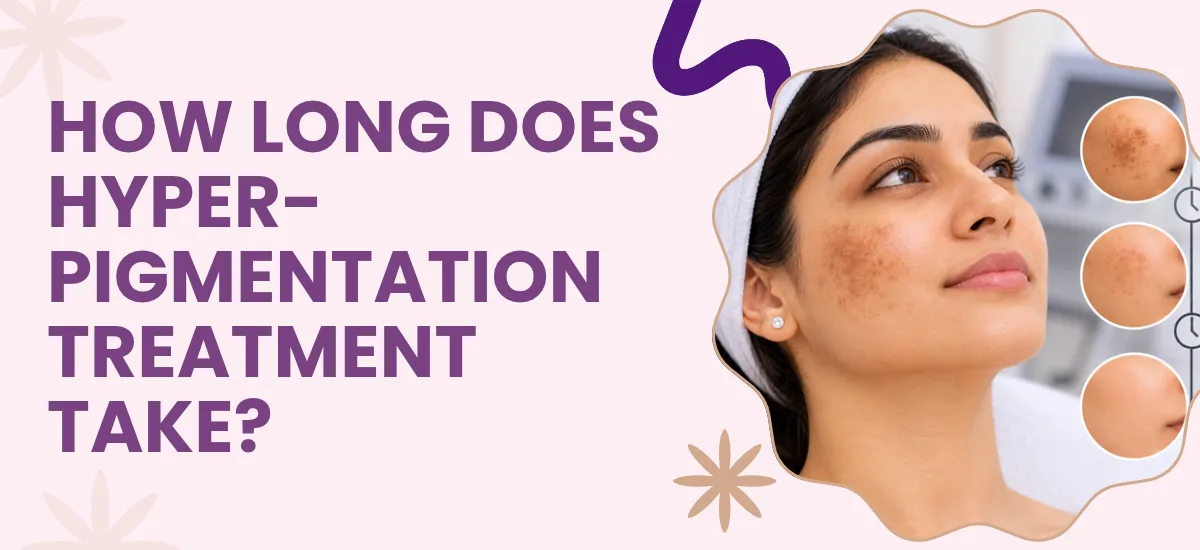

A course of hyperpigmentation treatment usually takes three to twelve months to clear the skin or lighten it noticeably. Where you end up in that range depends on the pigment type, the method and your skin tone. You may spot small changes around week two to four, though they’re easy to miss. The final stretch of fading is the slow one.
According to Dr. Jagatjit Singh Kohli of Agelock Skin & Hair Clinic in Chandigarh, “Pigment clears as the skin renews, and that cycle takes about a month. So change is gradual, and the mirror makes it hard to see. Photos taken in the same light once a month show progress far more reliably.”
Want a realistic timeline for your skin? Enquire Now
How Long Does Each Type of Hyperpigmentation Take to Fade?
Pigment type does more to set the timeline than anything else. A few marks clear in a handful of visits and others take most of a year, so treat any single number as a rough guide.
Sun Spots: Often the fastest to go. One to three laser sessions, a few weeks apart, can lift them, while creams on their own take months. Expect them to look darker for about a week first. That’s normal.
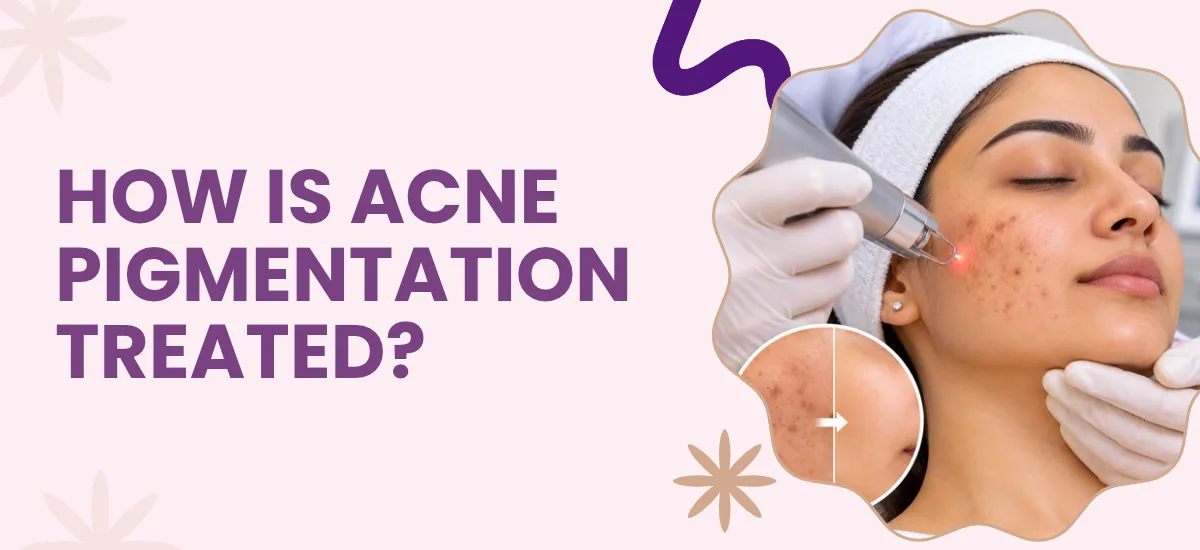
Post-Acne Marks: Light marks tend to fade in a few months if you wear sunscreen and use the right creams. Deeper ones can take six to twelve months.
Melasma: Slowest to settle, and the most likely to come back. Expect several months of combined treatment, then sun protection for good. Hormones and sun exposure can set it off again.
Deep Dermal Pigment: Pigment sitting lower in the skin needs more sessions, often three to five with a laser. Settling can take close to a year.
Once the pigment type is identified, a careful pigmentation treatment in Chandigarh plan can give a rough timeline for it. Comparing notes with a friend rarely helps, since theirs is probably a different type.
What Changes How Long Treatment Takes?
Two people with the same kind of pigment can still finish months apart. A few factors explain why, and most can be checked at the first visit.
Pigment Depth: Pigment near the surface lifts in weeks. Pigment lower down takes months, which is why a Wood’s lamp check comes before any plan.
Skin Tone: Brown and darker skin tends to make pigment quickly and let go of it slowly. Settings stay gentle to avoid new marks, so progress is steadier but slower.
Treatment Method: Creams need six to twelve weeks before the change is obvious. A course of peels runs four to six sessions. Lasers can need fewer visits for some marks, and mixing methods often cuts the total time.
How Long It’s Been There: A patch that has sat for years takes longer to shift than one that appeared last month. Old pigment is simply more settled.
This guide on how hyperpigmentation is treated compares each method and says which marks it suits best.
How Can You Keep Treatment on Schedule?
Most delays come down to daily habits rather than the treatment itself. A few small changes keep things close to plan.
Daily Sunscreen: Sun is the most common reason pigment comes back or stops fading. SPF 30 or higher each morning protects what’s already been gained. One long weekend outdoors without it can set you back a few weeks.
Keeping the Schedule: Sessions usually fall three to four weeks apart. Skipped visits stretch the whole plan, and after a long gap the pigment can start creeping back. A single missed visit rarely matters. A string of them does.
Avoiding Irritation: Picking, harsh scrubs and over-strong products all inflame the skin, and that inflammation triggers fresh pigment. A week of aggressive scrubbing can be enough to restart the cycle.
Planning for Maintenance: Getting clear isn’t the end of it. Pigment can return, so daily sunscreen and the odd touch-up help the result last.
When you’re comparing a hyperpigmentation treatment clinic near me, ask how many sessions to expect and how progress gets checked. One ingredient that often affects the timeline is covered in this piece on retinol for hyperpigmentation.
Key Takeaways: Plan on three to twelve months for most hyperpigmentation, depending on type, depth and skin tone. Sun spots usually go first, and melasma and deep pigment go last. Sunscreen and keeping appointments count for as much as the method. Even once the skin is clear, it needs some upkeep.
Frequently Asked Questions
How long does hyperpigmentation treatment take?
Most people see significant or full clearing between three and twelve months, with sun spots often quicker. Melasma and deeper pigment usually take longer.
When will I see the first results?
You may spot early changes around week two to four. But they’re small, and the real difference builds over several sessions.
Why is my pigmentation taking longer than expected?
Usually it’s depth, skin tone or sun exposure. Skipping sunscreen or picking at the skin can also hold things up.
Can hyperpigmentation come back after treatment?
Yes, and melasma is the likeliest to return. Daily sunscreen and follow-up visits lower the chance.
References:
Disclaimer: This blog is for educational purposes only and isn’t a substitute for a dermatologist’s evaluation. Pigmentation that spreads, darkens or changes should be examined by a doctor before treatment.