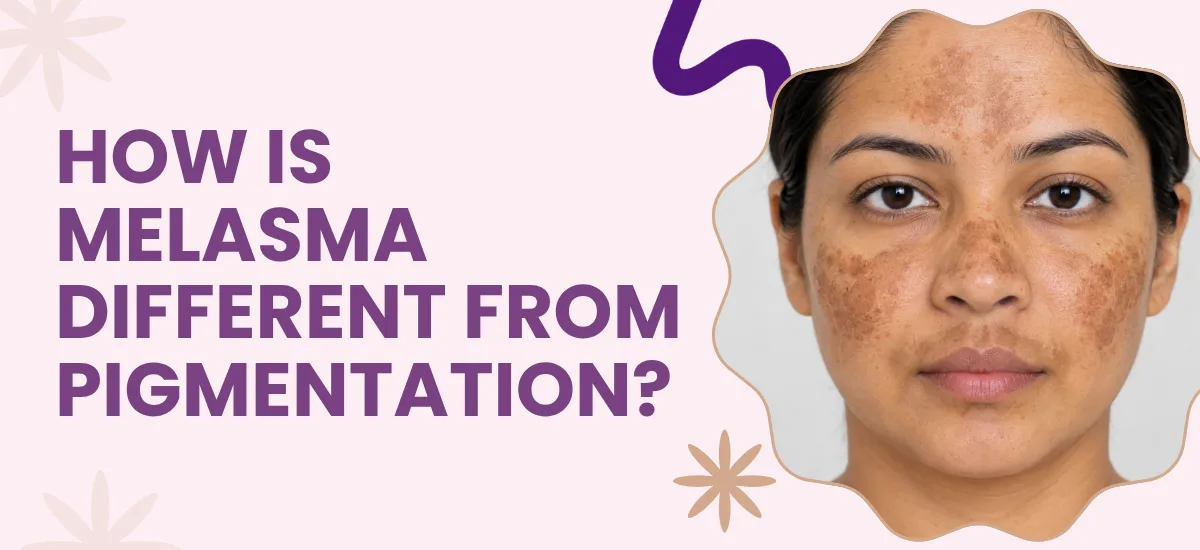
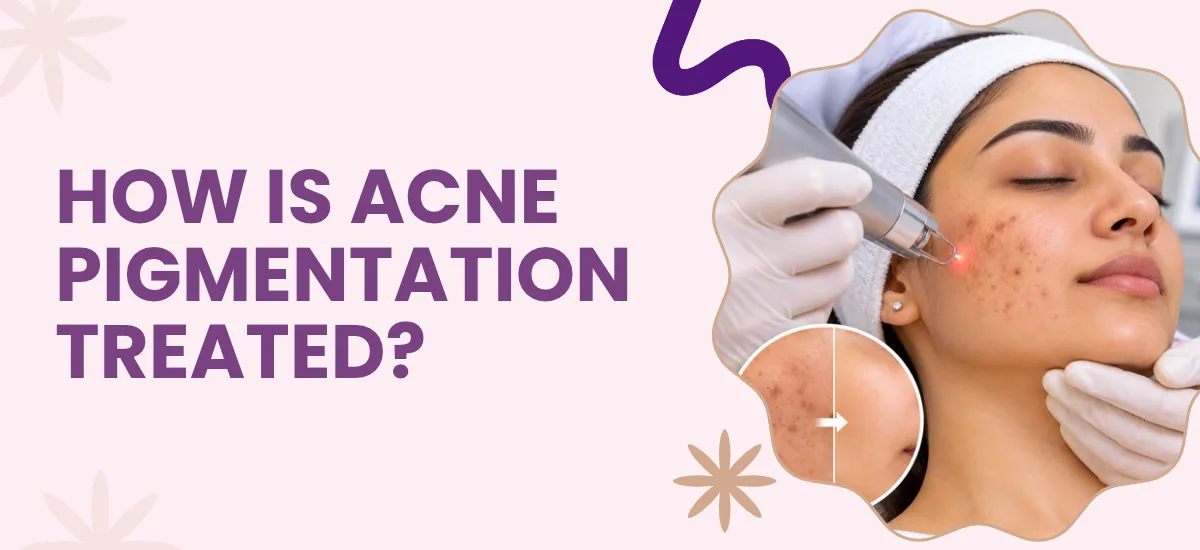

A pimple often leaves a flat brown mark after it heals. Doctors call it post-inflammatory hyperpigmentation, or PIH, and it can hang around for months after the spot itself is gone. Fading it takes three things working together: getting the breakouts under control, helping the skin shed its darker surface cells sooner and using ingredients or procedures that slow melanin down. That’s what pigmentation treatment comes down to. Leave one out and the rest slow down.
According to Dr. Jagatjit Singh Kohli of Agelock Skin & Hair Clinic in Chandigarh, “Most people want the marks gone and overlook the pimples still coming up. That’s backwards. New breakouts leave new marks, so the acne has to be under control before the pigment will clear for good.”
Not sure whether those marks are pigmentation or scars? Enquire Now
How Do Dermatologists Treat Acne Pigmentation?
Which steps make sense depends on how dark the marks are and whether you’re still breaking out. Most plans mix a few of them.
Controlling Active Acne: Before anything for the marks, the acne itself needs treating. That might mean a retinoid, benzoyl peroxide or a course of antibiotics, depending on how bad it is. Clear a mark while new spots are still forming and you’ve gained nothing.
Topical Brighteners: The usual starting point is a cream or serum with azelaic acid, niacinamide, vitamin C or a retinoid. Some slow melanin production, others speed up cell shedding. Allow two to three months before judging whether they’re working.
Chemical Peels: A mild glycolic, salicylic or mandelic peel takes off the darkened top layer of skin sooner than it would come off by itself. Peels need care on darker skin, where a strong one can cause new marks.
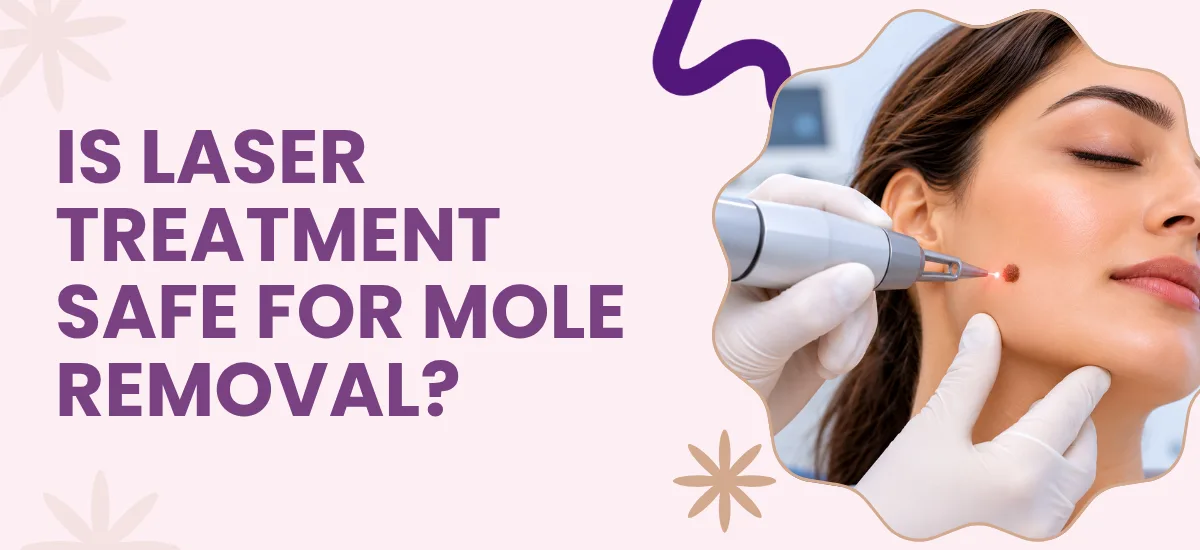
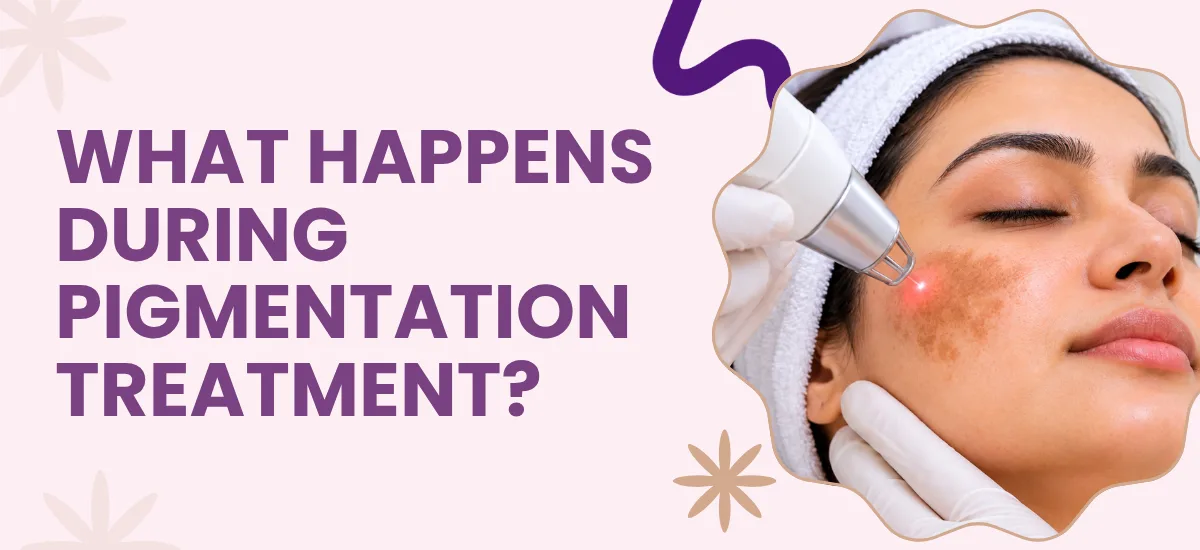
Laser or Light Procedures: Laser toning at low energy comes in when creams and peels haven’t shifted a mark. The settings stay gentle because heat itself can trigger more pigment. A patch test comes first.
What gets used, and in what order, differs from person to person. A pigmentation treatment in Chandigarh plan takes skin type into account, along with how deep the marks go and whether the acne has calmed down.
What Can You Do at Home While Acne Marks Fade?
Home care can’t stand in for treatment, yet it makes a real difference to how fast marks fade. The habits that matter are mostly simple ones.
Daily Sunscreen: Wear SPF 30 or higher every morning, even when it’s overcast. Sun deepens marks that already exist, and one long weekend outdoors without it can undo weeks of fading.
Hands Off Pimples: Squeezing a pimple inflames the skin further, and inflamed skin makes more pigment. That’s often how a small mark turns into one that lasts for months.
Gentle Cleansing: Harsh scrubs and drugstore peels do more harm than good here. They irritate the skin, and irritation brings more pigment. A mild cleanser without fragrance is plenty for most people.
Patience With Timing: Give a new routine two or three months before deciding it isn’t working. Marks fade slowly, and it’s common to give up right before the first real change.
Keeping the acne in check is half the battle. For a wider look at what dermatologists offer and what you can do at home, see this guide to affordable acne treatment options in Chandigarh.
How Long Does Acne Pigmentation Take to Fade?
There’s no fixed timeline, since depth of pigment and skin tone both change it. Plenty of people are surprised that a mark can outlast the pimple by months.
Surface Marks: Light brown marks near the top of the skin tend to clear within a few months, provided sunscreen is a daily habit and the right topical ingredients.
Deeper Marks: Dark brown or greyish marks sit further down in the skin. Expect six to twelve months, and sometimes longer. Some need procedures on top of home care.
Skin Tone: Brown and darker skin makes pigment more readily and releases it more slowly. Gentle treatment matters most here, because irritation only adds more marks.
Scarring Instead: A dent, bump or rough patch points to a scar, which is not the same problem as pigmentation. Creams and brighteners won’t help with that, so it needs a different approach.
If you’re searching for a skin doctor for pigmentation near me, these timelines give a fair idea of what to expect. Marks that come with a dent or rough texture are a separate matter, covered under acne scars treatment in Chandigarh.
Key Takeaways: Treat the breakouts, the renewal and the pigment together, and marks clear faster. Sunscreen and leaving pimples alone support every other step. Light marks tend to clear within months, and deeper ones may take a year or longer. A dent or rough patch means scarring, which is treated differently.
Frequently Asked Questions
Is acne pigmentation the same as an acne scar?
No. With pigmentation the skin looks darker in patches but feels normal, and it fades over time. A scar changes the skin’s surface, leaving a dent or bump.
How long do acne marks take to fade?
Light marks often clear in a few months. Deeper ones can take six months to a year, and some take longer.
Can I treat acne marks while I still have breakouts?
Yes. Sunscreen and a gentle cleanser can start today. But the active acne needs to be controlled too, or new marks keep forming.
Can acne pigmentation come back after treatment?
Yes, and the usual triggers are a new breakout or a long stretch in the sun without sunscreen. Keeping acne controlled and wearing sunscreen daily lowers the chance.
References:
Disclaimer: This blog is for educational purposes only and isn’t a substitute for a dermatologist’s evaluation. Marks that spread, darken or come with dents or raised texture should be examined by a doctor before treatment.